Category Archives: TB-500

Explore TB-500 products and research information at NordWellness. Researchers study this synthetic peptide in relation to thymosin beta-4 pathways, actin regulation, cell migration, and tissue repair mechanisms.

Scientists investigate how this peptide may influence cellular movement, angiogenesis, tissue remodeling, and recovery-related biological processes. Researchers often discuss TB-500 alongside thymosin beta-4 research, but they should distinguish findings on each compound rather than treat them as interchangeable. Most current evidence comes from laboratory and preclinical models.

Browse our TB-500 category to explore available research products and learn more about ongoing studies involving cellular repair, tissue-related pathways, and actin regulation.

BPC-157 and TB-500: Distinct Pathways in Laboratory Research
bpc-157-tb-500

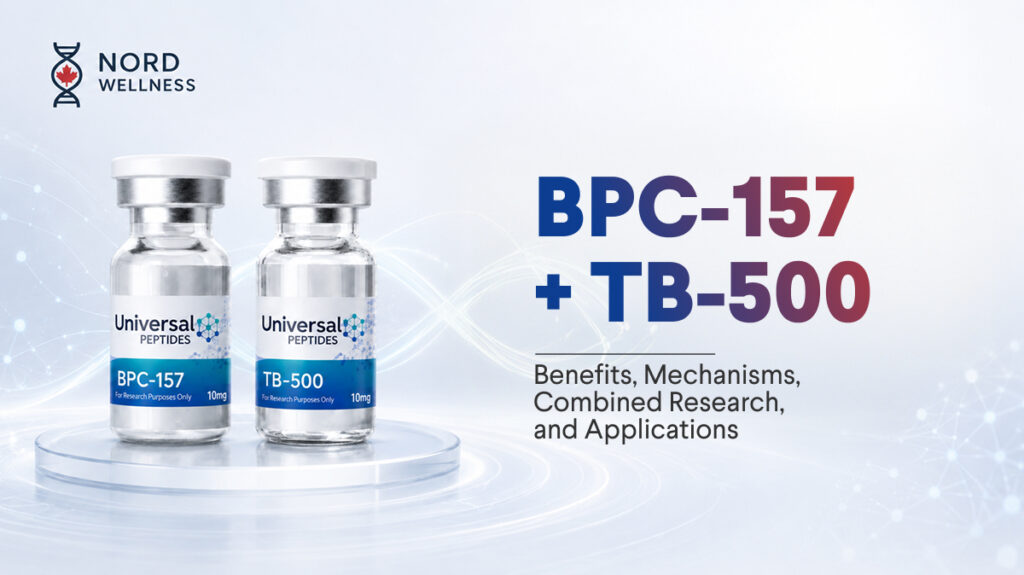
BPC-157 and TB-500 are discussed in peptide research because they are associated with different cellular signaling pathways. BPC-157 studies frequently examine focal-adhesion and vascular signaling, while TB-500 is discussed alongside thymosin beta-4 and actin-related cell biology. Direct evidence examining the two compounds together is limited. A rationale for comparing their pathways does not establish an […]
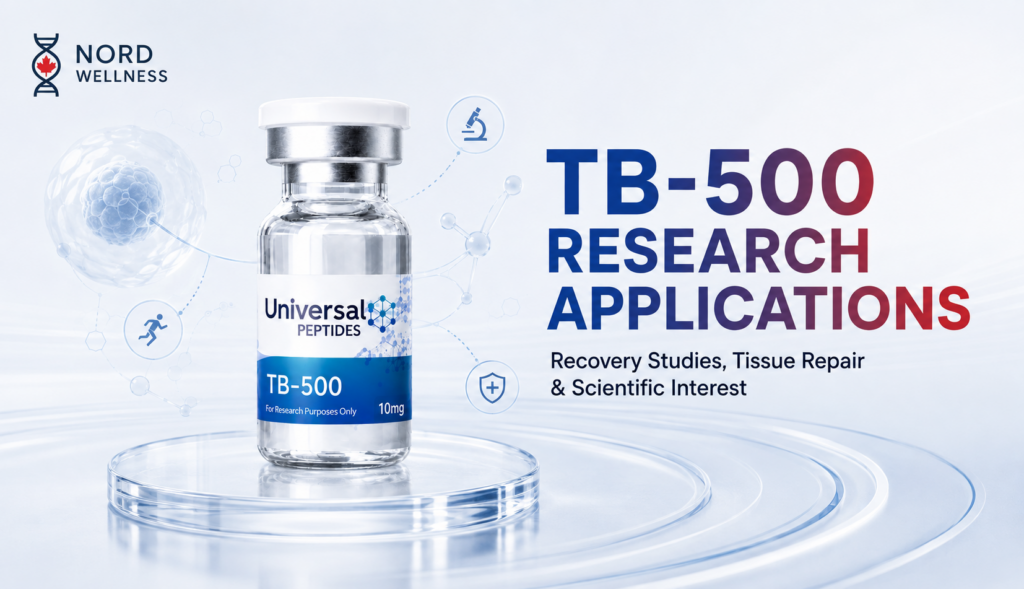
TB-500: Actin Dynamics and Cellular Migration Research

tb-500-for-muscle-recovery-research

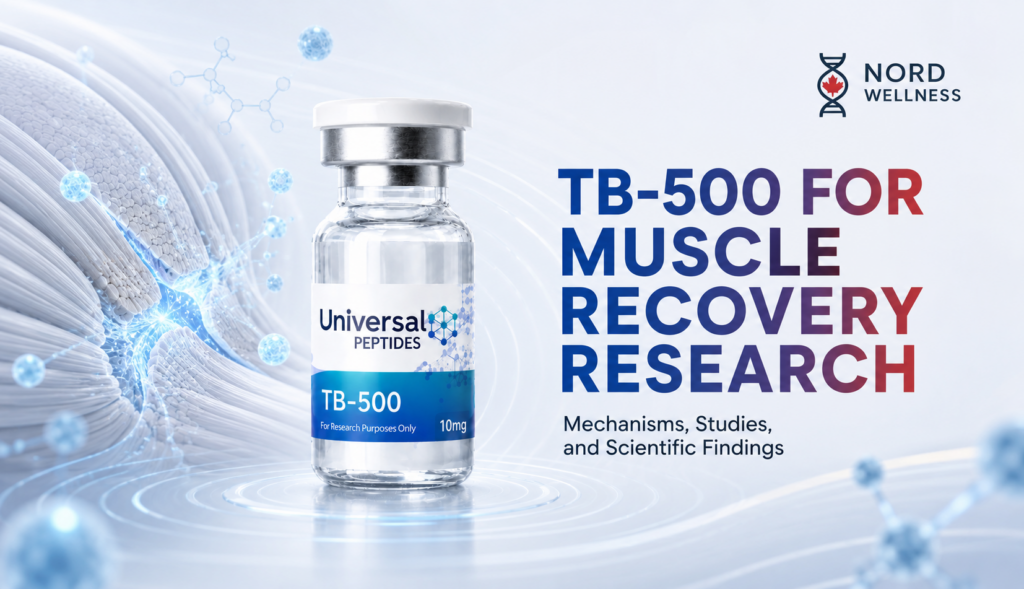
TB-500 is a synthetic peptide associated with a fragment of thymosin beta-4. Research discussions often focus on actin dynamics, cytoskeletal organization, and cellular migration. These subjects provide a framework for laboratory investigation rather than evidence of established physiological outcomes. Compound identity is important in this area. Much of the available mechanistic literature concerns full-length thymosin […]

TB-500 Research Applications: Actin Regulation and Cell Migration

tb-500-research-applications

TB-500 research applications are commonly discussed in relation to actin regulation, cellular migration, cytoskeletal organization, and extracellular-matrix biology. These experimental subjects are linked to the peptide association with thymosin beta-4. A clear distinction between TB-500 and full-length thymosin beta-4 is necessary when reviewing the literature. Mechanistic evidence for one should not be treated as interchangeable […]

TB-500 Mechanism of Action: Understanding Its Role in Research

tb-500-mechanism-of-action

TB-500 is a synthetic peptide fragment associated with thymosin beta-4 (Tβ4), a naturally occurring peptide involved in cellular organization, migration, and tissue remodeling. The scientific interest surrounding TB-500 comes from its potential relationship with pathways that regulate how cells respond to injury, migrate toward damaged areas, and participate in tissue remodeling. Current evidence is primarily […]

How TB-500 Works: Mechanism of Action, Cellular Repair, and Research Insights

TB-500 Benefits: Recovery Research, Tissue Repair, and Potential Applications

TB-500 is a synthetic peptide fragment associated with thymosin beta-4 (Tβ4), a naturally occurring peptide involved in cellular migration, tissue remodeling, and regenerative signaling. Due to its relationship with these biological processes, TB-500 has become a subject of interest in preclinical research focused on In particular, current investigations have explored its relationship with muscle tissue, […]

TB-500 Benefits: Research, and Potential Applications

TB-500 Benefits: Recovery Research, Tissue Repair, and Potential Applications

TB-500 is a synthetic peptide fragment associated with thymosin beta-4 (Tβ4), a naturally occurring peptide involved in cellular migration, tissue remodeling, and regenerative processes. Although TB-500 has generated significant scientific interest, it is important to note that most available evidence comes from laboratory and animal studies. Further research is needed to better understand its mechanisms, […]

TB-500 Peptide: Benefits, Mechanism, Research, and Scientific Applications

tb-500-peptide

TB-500 is a synthetic peptide fragment associated with thymosin beta-4 (Tβ4), a naturally occurring peptide involved in cellular migration, tissue remodeling, and regenerative processes. Researchers study TB-500 to better understand how peptide-based signaling molecules may influence biological repair processes following tissue stress or injury. Current research has examined its potential involvement in muscle, tendon, ligament, […]

How BPC-157 Works: Mechanism of Action, Pathways, and Research Insights

how-bpc-157-works

BPC-157 is a synthetic peptide derived from a protective protein sequence found in human gastric juice. This article explores how BPC-157 works, the biological pathways associated with its activity, factors that may influence research outcomes, and current scientific findings. What Is BPC-157? BPC-157 is a 15-amino acid synthetic peptide derived from a sequence of Body […]

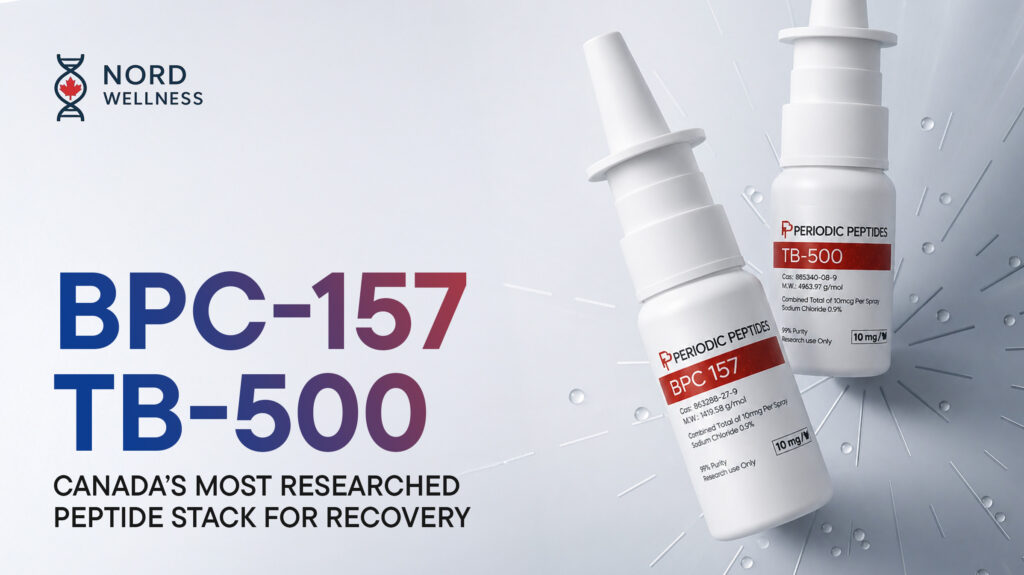
BPC-157 and TB-500: Canada’s Most Researched Peptide Stack for Recovery

bpc-157-and-tb-500-canadas-most-researched-peptide-stack-for-recovery

Whether you’re a sports scientist investigating tissue regeneration or a researcher exploring novel recovery compounds, two peptides consistently appear at the top of the literature: BPC-157 and TB-500. Together, they form one of the most studied peptide stack for recovery combinations in preclinical research — and Nord Wellness is proud to supply both at verified […]