Tag Archives: GHK-CU

GHK-CU Research Applications: Copper Binding and Cellular Signaling
ghk-cu-research-applications

GHK-CU is the copper-binding form of the tripeptide glycyl-L-histidyl-L-lysine. Its ability to associate with copper ions provides a basis for laboratory investigation into metal–peptide chemistry, cellular signaling, fibroblast activity, and extracellular-matrix biology. GHK-CU research applications cover several experimental systems. The strength and relevance of evidence differ among cell studies, animal models, and other laboratory designs, […]
GHK-CU Peptide: Follicle Biology and Laboratory Research

ghk-cu-peptide-for-hair-growth-research

GHK-CU is a copper-binding tripeptide examined in cellular and extracellular-matrix research. Follicle biology is one area in which researchers can investigate its relationship with local signaling, structural proteins, and the cellular environment surrounding follicular structures. This research context should be distinguished from claims about established follicular or clinical outcomes. Evidence from skin, fibroblast, or other […]

GHK-CU for Skin Research: Mechanisms, Benefits, and Scientific Interest

ghk-cu-for-skin-research

GHK-CU is a naturally occurring copper-binding tripeptide composed of glycine, histidine, and lysine. Researchers continue to investigate how these interconnected mechanisms may influence skin biology and regenerative processes. Although experimental findings provide valuable insights, further studies are needed to establish their clinical relevance. For more educational information about GHK-Cu and peptide science, explore the research-focused […]

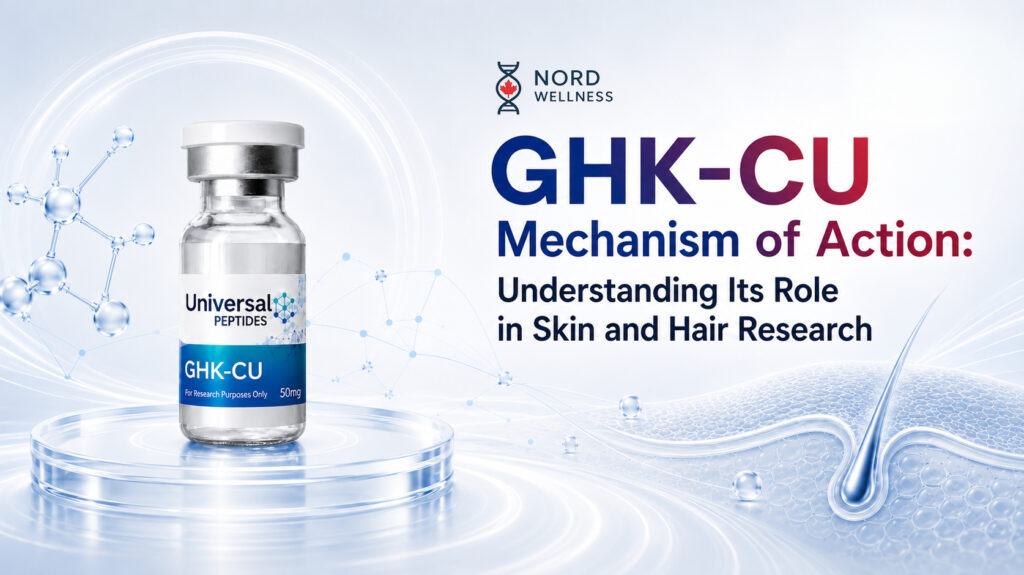
GHK-CU Mechanism of Action: Understanding Its Role in Skin and Hair Research

ghk-cu-mechanism-of-action

GHK-CU is a naturally occurring copper-binding tripeptide composed of glycine, histidine, and lysine. When GHK binds copper ions, it forms the GHK-Cu complex. Rather than acting through a single pathway, GHK-Cu appears to interact with multiple cellular mechanisms related to skin biology, hair follicle research, and tissue remodeling. For more research-focused information about GHK-Cu and […]

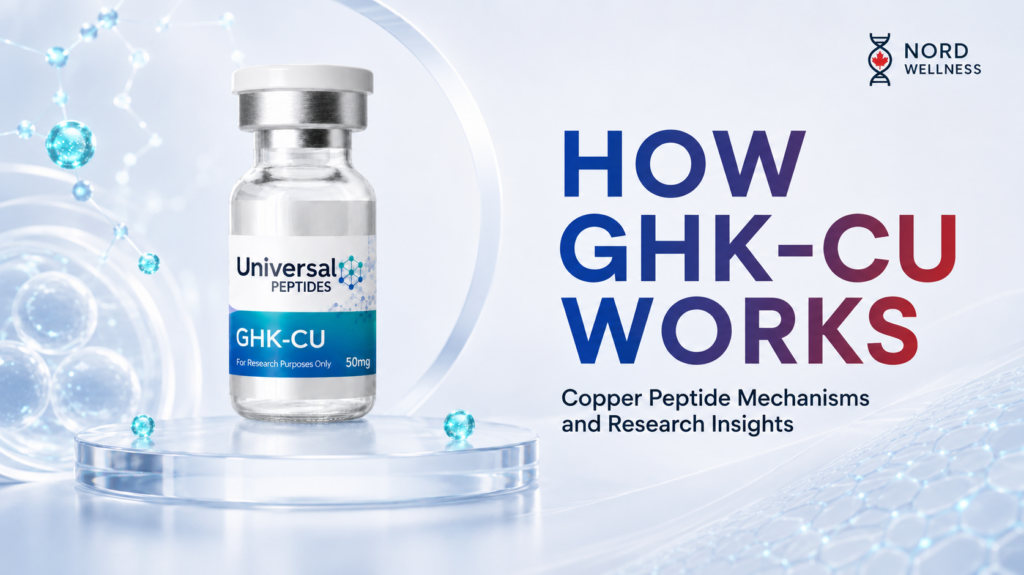
How GHK-CU Works: Copper Peptide Mechanisms and Research Insights

how-ghk-cu-works

GHK-CU is a naturally occurring copper-binding tripeptide composed of three amino acids: glycine, histidine, and lysine (GHK) combined with copper ions. First identified in human plasma, GHK-Cu has become a subject of scientific interest due to its involvement in biological processes related to cellular communication, tissue remodeling, skin biology, and regenerative research Copper plays an […]

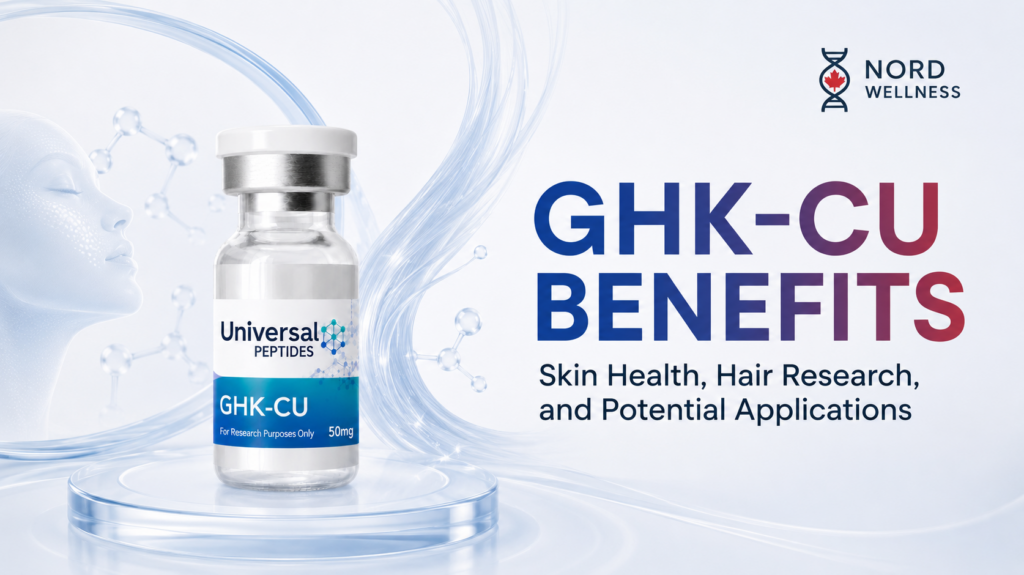
GHK-CU Benefits:, Hair Research, and Potential Applications

ghk-cu-benefits

GHK-CU is a naturally occurring copper-binding tripeptide composed of three amino acids: glycine, histidine, and lysine combined with copper ions. Due to its involvement in copper-dependent biological processes, GHK-Cu has become a widely studied peptide in areas such as skin biology, tissue remodeling, cellular repair, and regenerative research. Researchers investigate GHK-Cu because copper plays an […]